Learning objectives
- Extract name, diet and measurement information from a fact card
- Compare herbivores and carnivores using stated diet evidence
- Distinguish dinosaurs from pterosaurs and marine reptiles
Palaeontology — Prehistoric Animals · Evidence-aware fact-card activity
Compare prehistoric animals using corrected names, diets and representative measurements while distinguishing dinosaurs from other reptile groups.
Landscape activity · use fullscreen on a phone for larger controls
Learning focus: Compare prehistoric animals using corrected names, diets and representative measurements while distinguishing dinosaurs from other reptile groups.
 Vedic Mind Micro Arcade
 groups two short playable teaser games into one package. Learners can choose Near-Base Sprint f…
View Details
Play
Free Activity
 Boom Bites: Two-Player HTML5 Strategy Game
Boom Bites is a local two-player HTML5 strategy game where players take turns collecting snacks, avoiding hidden traps,…
View Details
Play
Free Activity
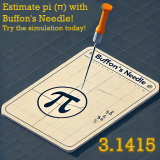
 Buffon's Needle Probability Lab
 is a geometry and probability activity based on the classic needle-dropping experiment.…
View Details
Play
Free Activity
 Hare and Tortoise: Number Sequencing
 is an early mathematics activity inspired by a familiar story theme. Children arra…
View Details
Play
Free Activity
 Amazing Sentences for Kids
 is a sentence-building activity that helps learners arrange words into meaningful sentences.…
View Details
Play
Free Activity
 Pool Racer: Question Race Activity
Pool Racer is a question-based racing activity that connects race outcomes with learning challenges. Students answer qu…
View Details
Play








💭 Comments