Learning objectives
- Compute row, column and diagonal sums.
- Use the common-sum property to check whether a filled square is magic.
Mathematics · Interactive learning companion
Explore magic-square equal-sum invariants and distinguish a mathematical property from a named historical construction.
Portrait activity · keep the device upright for the intended layout
Learning focus: Explore magic-square equal-sum invariants and distinguish a mathematical property from a named historical construction.
 Rhyme Times
 helps young learners recognize rhyming words through picture-based practice. It supports phonics, listening…
View Details
Play
Free Activity
 Odd One Out
 is an observation and reasoning game that asks learners to identify the item that does not belong in a grou…
View Details
Play
Free Activity
 Know Your Vertical Abacus (KYVA)
Know Your Vertical Abacus is a place-value quiz and practice tool based on a vertical abacus model. It helps students c…
View Details
Play
Free Activity
 Christmas Gifts
 is a simple matching activity with a festive theme. Players connect similar gift icons to clear them an…
View Details
Play
Free Activity
 Vernier Calliper Simulator
 is a measurement tool for learning how to read a vernier scale. Students practice observing …
View Details
Play
Free Activity
 Words Drag and Drop With Sounds
 is an early literacy activity that helps children connect letters, sounds, and familiar…
View Details
Play
Free Activity
 Kepler's Laws of Planetary Motion
 is a visual simulation for studying orbital motion. Students explore elliptical orbit…
View Details
Play
Free Activity
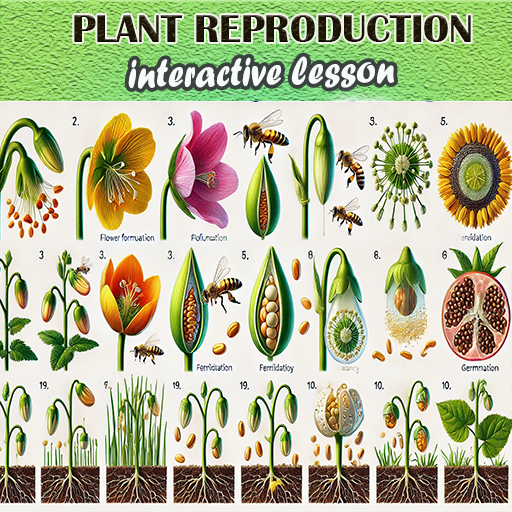 Plant Reproduction with Subtitles
 is a biology activity that explains how plants reproduce through visual narration and…
View Details
Play
Free Activity
 Virtual Soroban: Japanese Abacus
Virtual Soroban is an interactive Japanese abacus activity for exploring bead values and number representation. Student…
View Details
Play
Free Activity
 Hindi Letter Discovery
 is a recognition activity that helps students find missing or target Hindi letters. It supports …
View Details
Play
Free Activity
 Math and Dice
 is an arithmetic practice game where dice rolls create math questions. Students answer equations using th…
View Details
Play
Free Activity
 Sports Tournaments
 is a Physical Education quiz activity focused on tournament formats, competition structure, and spor…
View Details
Play






💭 Comments