Learning objectives
- Recognise a vowel–consonant–e spelling sequence where applicable
- Compare short-vowel and long-vowel examples
- Test whether a candidate word is a clear example or an exception needing explicit explanation
English Phonics — Split Digraphs · Silent-e word-pattern sorting
Sort and discuss common split-digraph spelling patterns without incorrectly assuming every word containing separated vowels follows a simple beginner rule.
Landscape activity · use fullscreen on a phone for larger controls
Learning focus: Sort and discuss common split-digraph spelling patterns without incorrectly assuming every word containing separated vowels follows a simple beginner rule.
 LinguaMatrix Micro Arcade
 groups two short playable teaser games into one package. Learners can choose Situation Switch…
View Details
Play
Free Activity
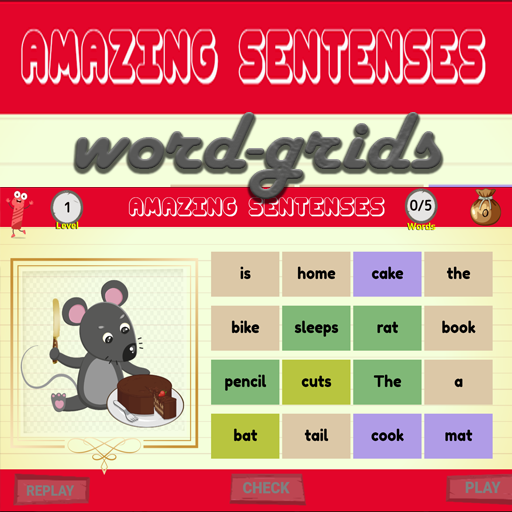 Amazing Sentences for Kids
 is a sentence-building activity that helps learners arrange words into meaningful sentences.…
View Details
Play
Free Activity
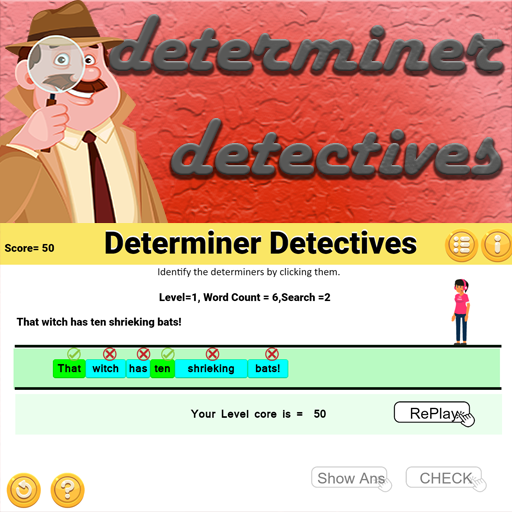 Determiner Detectives
 is an English grammar activity for identifying determiners in sentences. Students read examples, …
View Details
Play
Free Activity
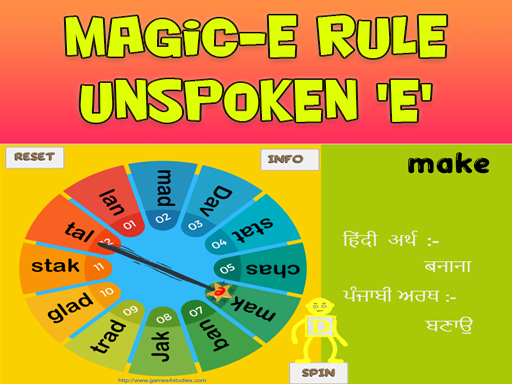 Magic-E Rule: Silent E Spelling
Magic-E Rule introduces the silent-e spelling pattern in English. Students explore how a final silent e can change the …
View Details
Play
Free Activity
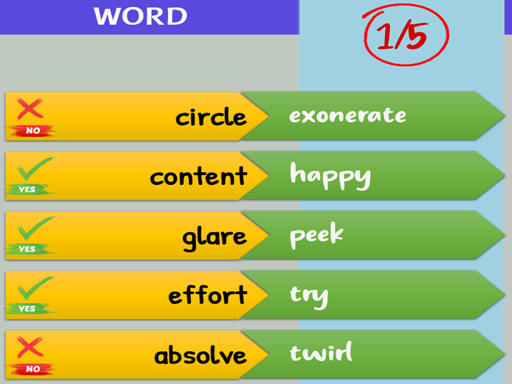 Synonyms Drag-and-Drop Activity
 helps students practice English vocabulary by matching words with similar meanings. Lea…
View Details
Play
Free Activity
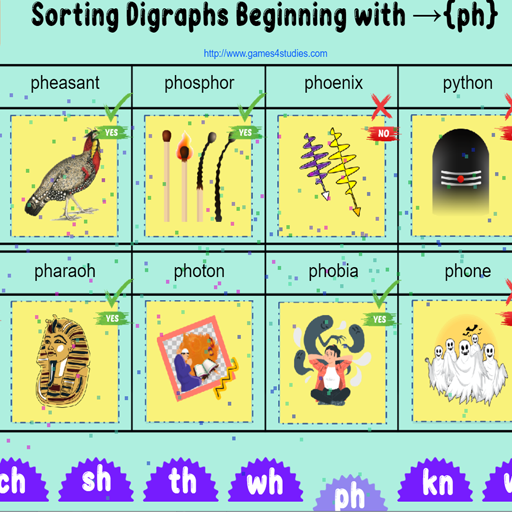 Beginning Digraphs Sorting Activity
 helps learners practise common consonant digraphs through picture-based sorting. It…
View Details
Play












💭 Comments