Learning objectives
- Compare the durations of familiar events using appropriate units.
- Order durations from least to greatest and explain the order.
- Recognize matching or equivalent time representations.
Mathematics — Time and Duration · Interactive duration comparison and matching
Estimate, compare and arrange durations measured in seconds and minutes using the game’s sorting and matching activities.
Landscape activity · use fullscreen on a phone for larger controls
Compare the displayed durations, then order or match them as the activity asks. Convert seconds and minutes to the same unit when helpful, and check that equivalent durations stay together.
Learning focus: Estimate, compare and arrange durations measured in seconds and minutes using the game’s sorting and matching activities.
 Hare and Tortoise: Number Sequencing
 is an early mathematics activity inspired by a familiar story theme. Children arra…
View Details
Play
Free Activity
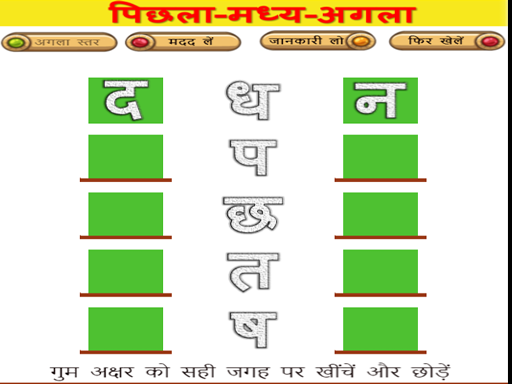 Hindi Alphabet Sequencer
 is a Hindi letter-order activity that helps students arrange letters before and after a given …
View Details
Play
Free Activity
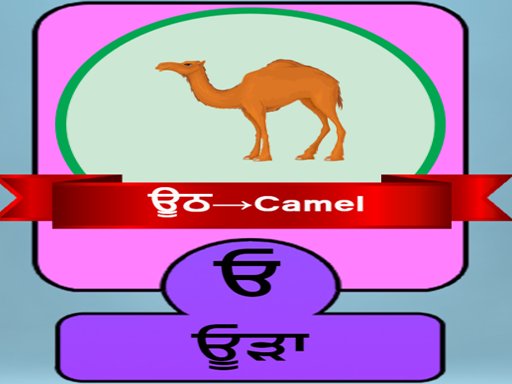 Punjabi Alphabet: Vowels and Consonants
 is a beginner-friendly activity for recognizing Punjabi letters and letter grou…
View Details
Play
Free Activity
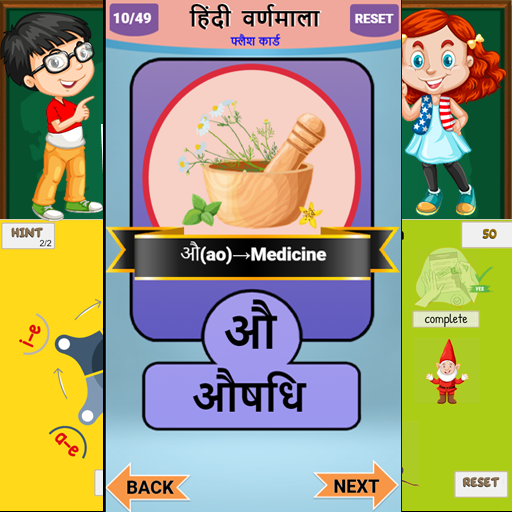 Hindi Alphabet: Vowels and Consonants
 is an interactive language activity for learning Hindi letters in a clear visual …
View Details
Play
Free Activity
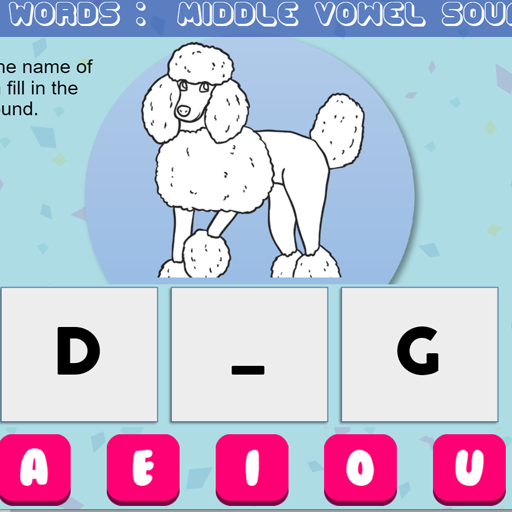 CVC Words Picture Quiz
 helps learners connect pictures with simple consonant-vowel-consonant words. It supports phonics…
View Details
Play
Free Activity
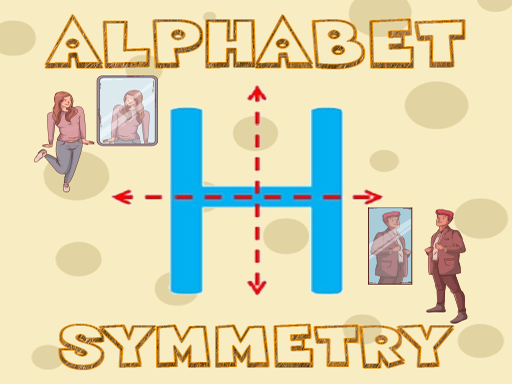 Alphabet Symmetry
 helps learners explore whether letters have a line of symmetry. It connects early geometry with alpha…
View Details
Play






💭 Comments