Learning objectives
- Recognise pose names and the body positions illustrated on the cards
- Follow movement prompts slowly and within a comfortable range
- Distinguish general movement practice from medical advice
Health and Movement — Yoga Vocabulary · Supervised movement-card reference
Read pose cards as movement vocabulary and sequencing prompts without treating yoga as a diagnosis, cure or medical treatment.

This activity is part of the Games4Studies Premium Learning Collection.
Premium access unlocks selected advanced simulations, classroom-friendly visual tools, and high-value educational games.
Free users can still explore many open games and sample learning activities.
Landscape activity · use fullscreen on a phone for larger controls
Learning focus: Read pose cards as movement vocabulary and sequencing prompts without treating yoga as a diagnosis, cure or medical treatment.
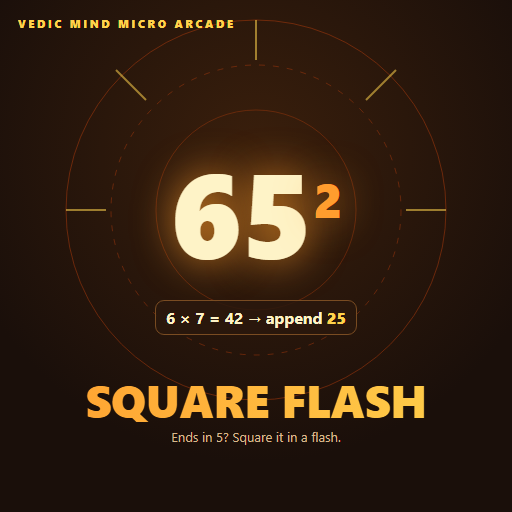 Vedic Mind Micro Arcade
 groups two short playable teaser games into one package. Learners can choose Near-Base Sprint f…
View Details
Play
Free Activity
 Boom Bites: Two-Player HTML5 Strategy Game
Boom Bites is a local two-player HTML5 strategy game where players take turns collecting snacks, avoiding hidden traps,…
View Details
Play
Free Activity
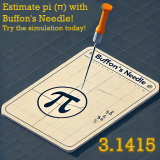
 Buffon's Needle Probability Lab
 is a geometry and probability activity based on the classic needle-dropping experiment.…
View Details
Play
Free Activity
 Hare and Tortoise: Number Sequencing
 is an early mathematics activity inspired by a familiar story theme. Children arra…
View Details
Play
Free Activity
 Amazing Sentences for Kids
 is a sentence-building activity that helps learners arrange words into meaningful sentences.…
View Details
Play
Free Activity
 Pool Racer: Question Race Activity
Pool Racer is a question-based racing activity that connects race outcomes with learning challenges. Students answer qu…
View Details
Play








💭 Comments