Learning objectives
- Observe shape and arrangement of pictured tracks
- Distinguish picture recognition from scientific field identification
Biology — Animal Observation · Animal-track image recognition
Compare pictured footprints with an animal-name vocabulary list, while recognising the limitations of visual identification.
Portrait activity · keep the device upright for the intended layout
Learning focus: Compare pictured footprints with an animal-name vocabulary list, while recognising the limitations of visual identification.
 Marbles Probability
 is a visual probability game based on marbles and outcome prediction. It helps learners practice li…
View Details
Play
Free Activity
 Adaptive Hidden Words
 is a word-discovery game for spelling and vocabulary practice. Students identify the correct spel…
View Details
Play
★ Premium
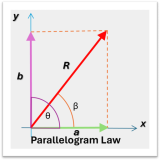
 Parallelogram Law of Vector Addition
 is an interactive simulation for visualizing the resultant of two vectors. Student…
View Details
Access Info
Free Activity
 Horizontal Abacus
 is a hands-on mathematics activity for exploring numbers using draggable beads. It helps early learne…
View Details
Play
Free Activity
 CrossaGram
 is a word puzzle that combines anagram thinking with crossword-style placement. It helps learners practise s…
View Details
Play
Free Activity
 Discover Punjabi Words
 is a word-search activity for improving Punjabi vocabulary and letter recognition. It supports s…
View Details
Play
Free Activity
 Happy Dhanteras
 is a festive collection activity designed for light seasonal engagement. Players collect falling coins …
View Details
Play
Free Activity
 Element Hunt
 is a chemistry word-search activity based on the periodic table. It helps learners recognize element names…
View Details
Play
Free Activity
 Christmas Gifts
 is a simple matching activity with a festive theme. Players connect similar gift icons to clear them an…
View Details
Play
Free Activity
 CVC Words: Circle That Word
 is a phonics and spelling quiz for learners practising short vowel sounds and simple word r…
View Details
Play
Free Activity
 Words Drag and Drop With Sounds
 is an early literacy activity that helps children connect letters, sounds, and familiar…
View Details
Play
Free Activity
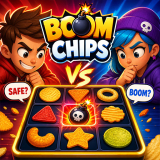
 Boom Bites: Two-Player HTML5 Strategy Game
Boom Bites is a local two-player HTML5 strategy game where players take turns collecting snacks, avoiding hidden traps,…
View Details
Play





💭 Comments