Learning objectives
- Recognize length, amplitude and gravitational acceleration as different quantities.
- Use the ideal small-angle formula T = 2π√(L/g) and state its limitations.
Physics · Upper secondary · Interactive learning companion
Investigate small-angle pendulum motion and separate model predictions from observed animation.
Landscape activity · use fullscreen on a phone for larger controls
Learning focus: Investigate small-angle pendulum motion and separate model predictions from observed animation.
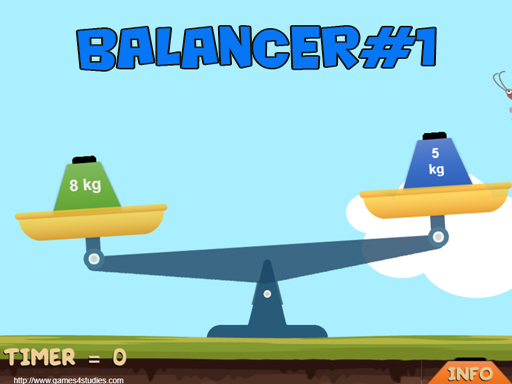 Physics Balancer 1: Mass Balance Simulation
Physics Balancer 1 is a visual mass-balance simulation that helps students understand equality of mass and basic balanc…
View Details
Play
Free Activity
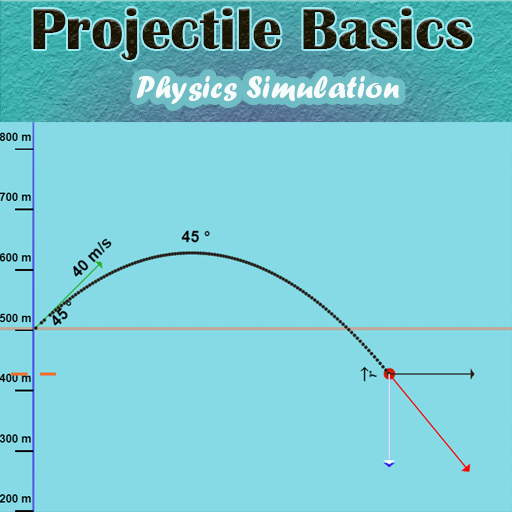 Visual Projectile Motion Simulation
 helps students explore the path of a projectile under gravity. Learners change laun…
View Details
Play
Free Activity
 Heron's Formula Triangle Simulator
 helps students explore triangle area using side lengths. Learners adjust or drag tri…
View Details
Play
Free Activity
 All About Pi
 is a visual learning activity about the constant pi and its role in circles. Students explore the relation…
View Details
Play
Free Activity
 Legion of Numbers
 is an interactive mathematics game designed to make number practice more engaging. Students work with…
View Details
Play
Free Activity
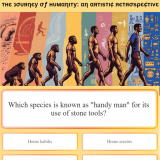
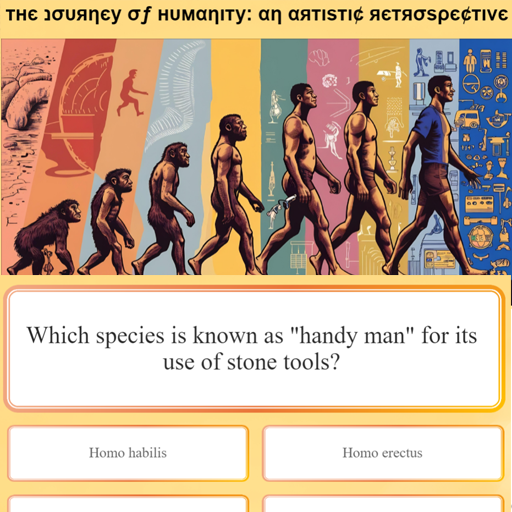 Human Evolution: Visual Learning Journey
 introduces the broad progression of human development through visual stages an…
View Details
Play










💭 Comments