Learning objectives
- Identify scale units and the spacing between labelled marks
- Determine the liquid-column or pointer position relative to the nearest divisions
- Explain the reading instead of guessing from visual height alone
Science — Thermometer Reading · Temperature-scale reading practice
Read a displayed thermometer carefully by identifying its scale marks, units and indicated temperature.
Portrait activity · keep the device upright for the intended layout
Learning focus: Read a displayed thermometer carefully by identifying its scale marks, units and indicated temperature.
 Math-N-Chance
 combines arithmetic practice with a fast visual challenge. Learners solve calculations, respond quickly, …
View Details
Play
Free Activity
 Punjabi Alphabets
 is an early language activity for learning Punjabi letters with pictures and interactive practice. It…
View Details
Play
Free Activity
 Hare and Tortoise: Number Sequencing
 is an early mathematics activity inspired by a familiar story theme. Children arra…
View Details
Play
Free Activity
 Speak Guess Number
 is a speech-based number guessing activity. The game selects a hidden number and the player uses spo…
View Details
Play
Free Activity
 Hindi Letter Discovery
 is a recognition activity that helps students find missing or target Hindi letters. It supports …
View Details
Play
Free Activity
 Boom Bites: Two-Player HTML5 Strategy Game
Boom Bites is a local two-player HTML5 strategy game where players take turns collecting snacks, avoiding hidden traps,…
View Details
Play
Free Activity
 Discover Hindi Words
 is a word-search activity for building Hindi vocabulary and spelling awareness. It supports word r…
View Details
Play
Free Activity
 Collective Nouns: Real-World Examples
 helps students learn group nouns through illustrated examples. It supports vocabu…
View Details
Play
Free Activity
 Know Our Solar System
 is a quiz-based activity that helps students review planets, space objects, and basic facts about…
View Details
Play
Free Activity
 Hindi-Idioms-Proverbs
 is a language learning activity for practicing Hindi idioms, proverbs, vocabulary, and meaning re…
View Details
Play
Free Activity
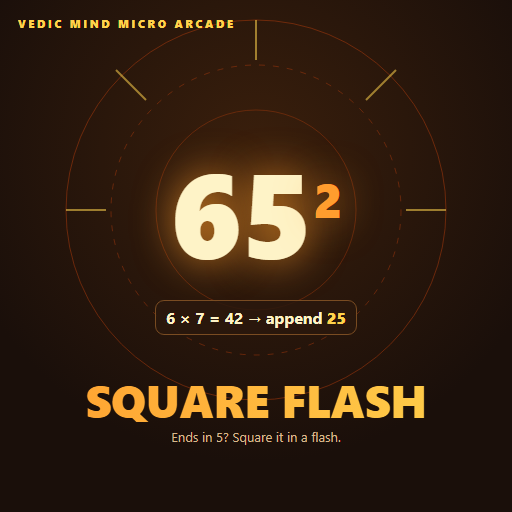 Vedic Mind Micro Arcade
 groups two short playable teaser games into one package. Learners can choose Near-Base Sprint f…
View Details
Play
Free Activity
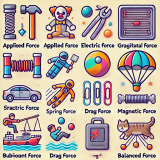
 Understanding Different Types of Forces
 is an interactive physics activity that introduces common forces and real-life …
View Details
Play








💭 Comments