Learning objectives
- Identify vertex and arms of an angle.
- Distinguish acute, right, obtuse and straight angles by their measures.
Mathematics · Interactive learning companion
Read an angle as a turn between two rays, rather than judging it from the lengths of the drawn arms.
Landscape activity · use fullscreen on a phone for larger controls
Learning focus: Read an angle as a turn between two rays, rather than judging it from the lengths of the drawn arms.
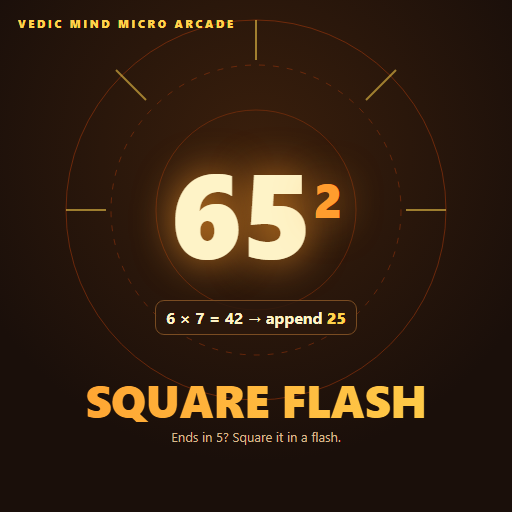 Vedic Mind Micro Arcade
 groups two short playable teaser games into one package. Learners can choose Near-Base Sprint f…
View Details
Play
Free Activity
Vedic Mind Micro Arcade
Vedic Mind Micro Arcade groups two short playable teaser games into one package. Learners can choose Near-Base Sprint f…
View Details
Play
Free Activity
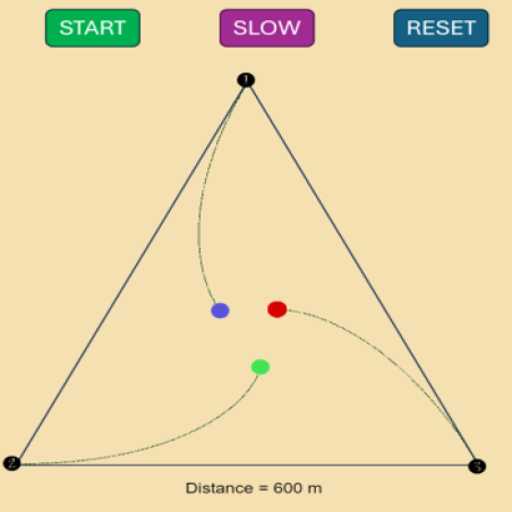 Convergence Chase Simulation
 explores a classic pursuit problem where moving points continuously chase one another. Stu…
View Details
Play
Free Activity
Convergence Chase Simulation
Convergence Chase Simulation explores a classic pursuit problem where moving points continuously chase one another. Stu…
View Details
Play
Free Activity
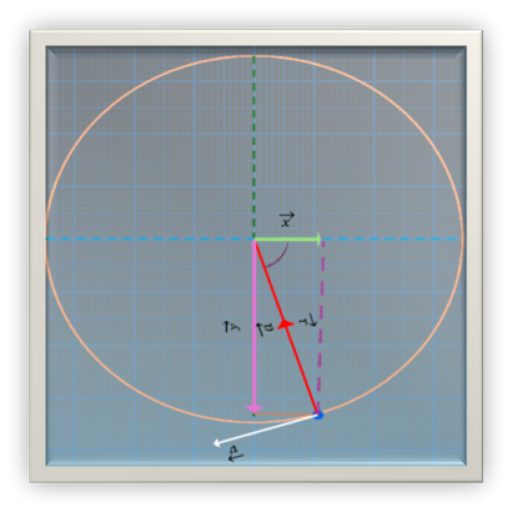 Uniform Circular Motion Simulation
 helps students visualize motion in a circle at constant speed. Learners observe radi…
View Details
Play
Free Activity
Uniform Circular Motion Simulation
Uniform Circular Motion Simulation helps students visualize motion in a circle at constant speed. Learners observe radi…
View Details
Play
Free Activity
 Visual Vector Resolution in 2D
 is an interactive simulation for resolving a vector into rectangular components. Student…
View Details
Play
Free Activity
Visual Vector Resolution in 2D
Visual Vector Resolution in 2D is an interactive simulation for resolving a vector into rectangular components. Student…
View Details
Play
Free Activity
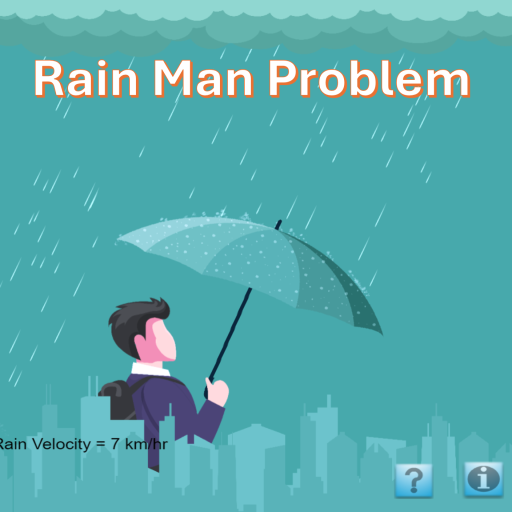 Rain Man Problem: Relative Velocity Simulation
Rain Man Problem is a relative velocity simulation that helps students visualize apparent rain direction and motion bet…
View Details
Play
Free Activity
Rain Man Problem: Relative Velocity Simulation
Rain Man Problem is a relative velocity simulation that helps students visualize apparent rain direction and motion bet…
View Details
Play
Free Activity
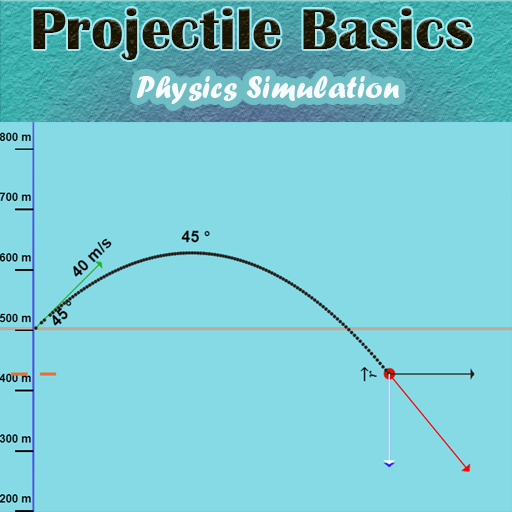 Visual Projectile Motion Simulation
 helps students explore the path of a projectile under gravity. Learners change laun…
View Details
Play
Visual Projectile Motion Simulation
Visual Projectile Motion Simulation helps students explore the path of a projectile under gravity. Learners change laun…
View Details
Play










💭 Comments