Learning objectives
- Choose observable characteristics relevant to a given group.
- Explain why habitat or swimming behaviour alone does not determine vertebrate class.
Biology · Interactive learning companion
Classify animals using biologically meaningful traits instead of appearance alone.
Landscape activity · use fullscreen on a phone for larger controls
Learning focus: Classify animals using biologically meaningful traits instead of appearance alone.
 Photoelectric Effect Simulation
 is a physics learning tool for exploring how light can eject electrons from a material.…
View Details
Play
Free Activity
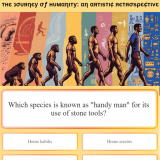
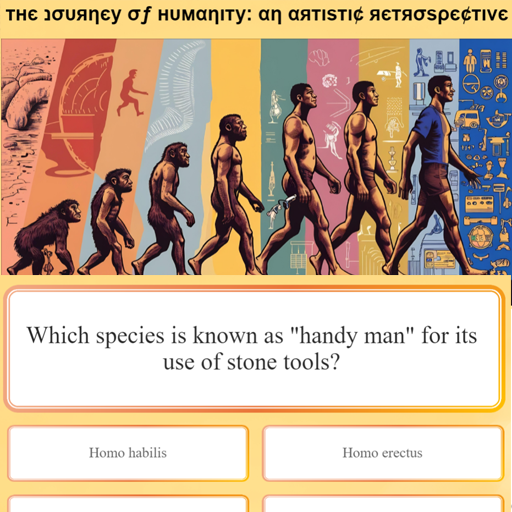 Human Evolution: Visual Learning Journey
 introduces the broad progression of human development through visual stages an…
View Details
Play
Free Activity
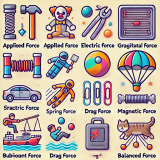
 Understanding Different Types of Forces
 is an interactive physics activity that introduces common forces and real-life …
View Details
Play
Free Activity
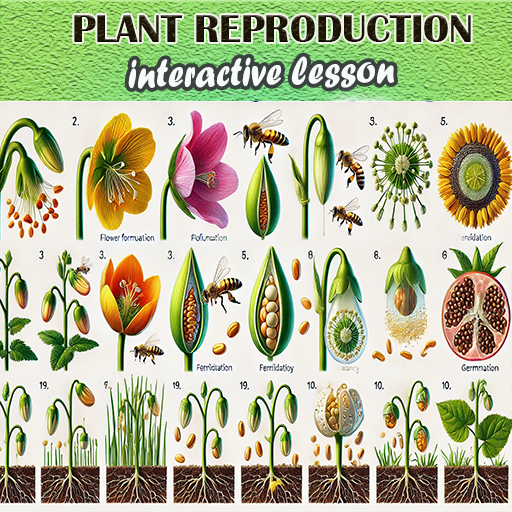 Plant Reproduction with Subtitles
 is a biology activity that explains how plants reproduce through visual narration and…
View Details
Play
Free Activity
 Kepler's Laws of Planetary Motion
 is a visual simulation for studying orbital motion. Students explore elliptical orbit…
View Details
Play
Free Activity
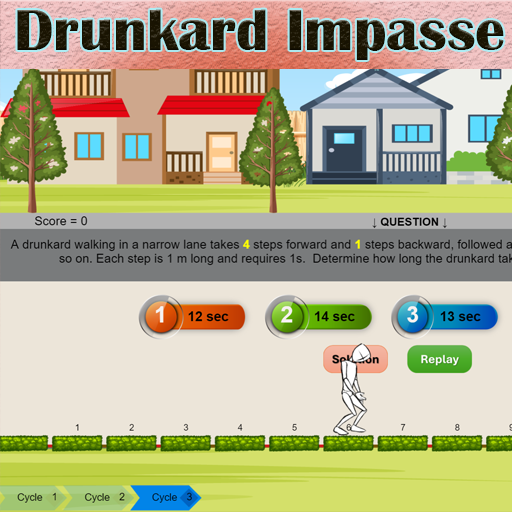 Forward-Backward Walk Logic Puzzle
 is a motion and reasoning activity based on repeated forward and backward steps. Stu…
View Details
Play








💭 Comments