Learning objectives
- Keep a written record of position after each move
- Compare a tentative action with the stated move constraints
- Explain why returning to an earlier state may be helpful or wasteful
Mathematics — Logic and State Tracking · Forward-backward obstacle puzzle
Track a moving character across numbered obstacles and develop repeatable forward/backward strategies without promising a hidden parity rule.
Landscape activity · use fullscreen on a phone for larger controls
Learning focus: Track a moving character across numbered obstacles and develop repeatable forward/backward strategies without promising a hidden parity rule.
 Vedic Mind Micro Arcade
 groups two short playable teaser games into one package. Learners can choose Near-Base Sprint f…
View Details
Play
Free Activity
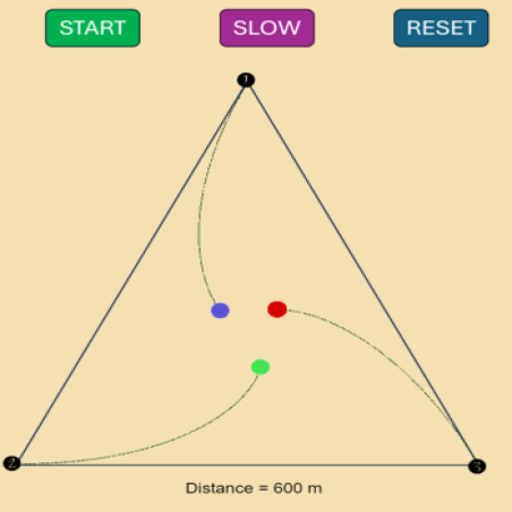 Convergence Chase Simulation
 explores a classic pursuit problem where moving points continuously chase one another. Stu…
View Details
Play
Free Activity
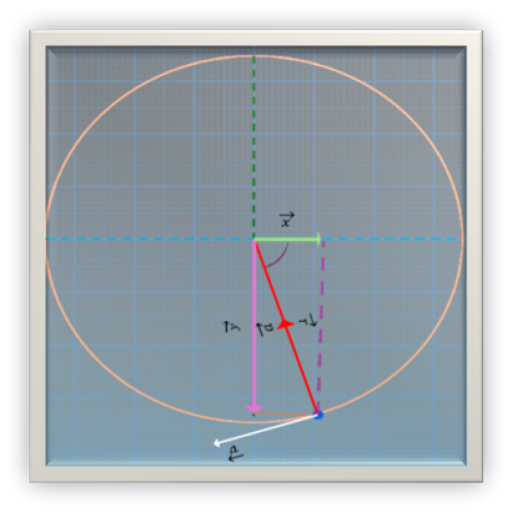 Uniform Circular Motion Simulation
 helps students visualize motion in a circle at constant speed. Learners observe radi…
View Details
Play
Free Activity
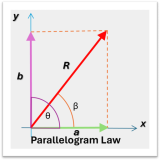
 Visual Vector Resolution in 2D
 is an interactive simulation for resolving a vector into rectangular components. Student…
View Details
Play
Free Activity
 Rain Man Problem: Relative Velocity Simulation
Rain Man Problem is a relative velocity simulation that helps students visualize apparent rain direction and motion bet…
View Details
Play
Free Activity
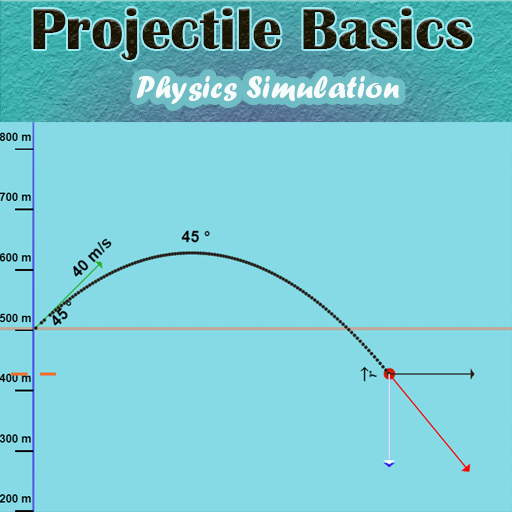 Visual Projectile Motion Simulation
 helps students explore the path of a projectile under gravity. Learners change laun…
View Details
Play











💭 Comments