Learning objectives
- Follow ordered steps without skipping or silently changing a choice
- Recognise that deterministic arrangements can look surprising without invoking mind reading
Mathematics — Algorithms and Card Arrangements · 27-card procedure and pattern investigation
Follow the 27-card selection procedure as an algorithm and reflect on how repeated ordering encodes a chosen position.
Landscape activity · use fullscreen on a phone for larger controls
Learning focus: Follow the 27-card selection procedure as an algorithm and reflect on how repeated ordering encodes a chosen position.
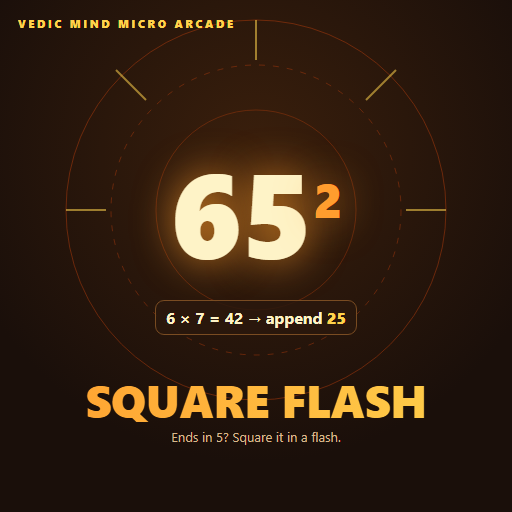 Vedic Mind Micro Arcade
 groups two short playable teaser games into one package. Learners can choose Near-Base Sprint f…
View Details
Play
Free Activity
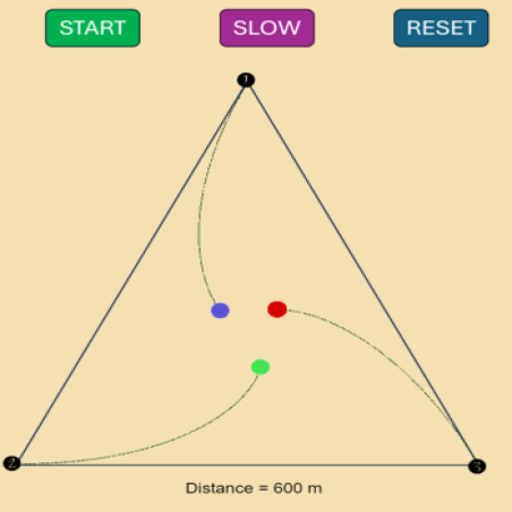 Convergence Chase Simulation
 explores a classic pursuit problem where moving points continuously chase one another. Stu…
View Details
Play
Free Activity
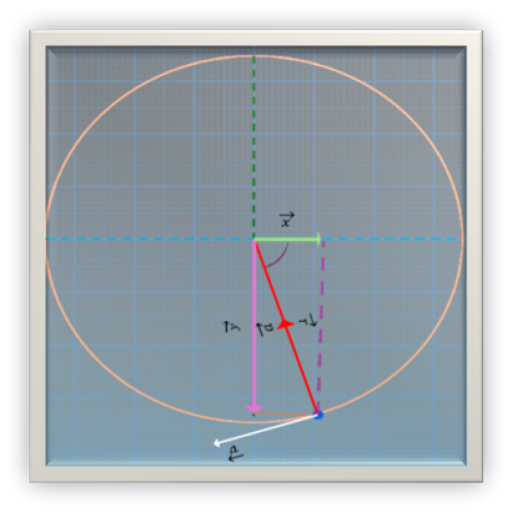 Uniform Circular Motion Simulation
 helps students visualize motion in a circle at constant speed. Learners observe radi…
View Details
Play
Free Activity
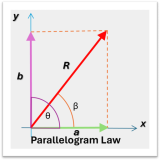
 Visual Vector Resolution in 2D
 is an interactive simulation for resolving a vector into rectangular components. Student…
View Details
Play
Free Activity
 Rain Man Problem: Relative Velocity Simulation
Rain Man Problem is a relative velocity simulation that helps students visualize apparent rain direction and motion bet…
View Details
Play
Free Activity
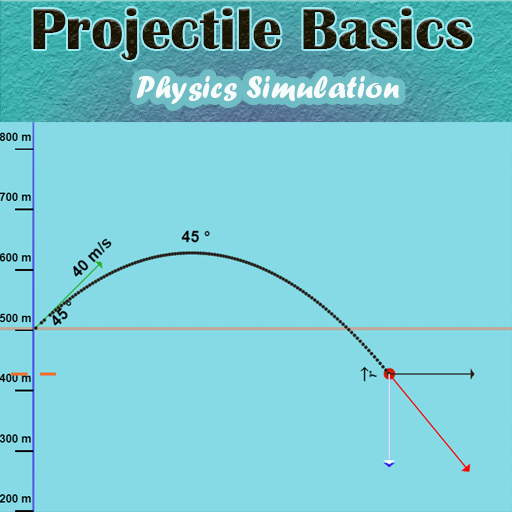 Visual Projectile Motion Simulation
 helps students explore the path of a projectile under gravity. Learners change laun…
View Details
Play












💭 Comments