Learning objectives
- Identify which outcomes count as a win or loss
- Compare the outcomes of repeated decisions rather than trusting one lucky round
- State the extra host-behaviour assumptions needed before applying a theoretical switching result
Mathematics — Probability · Door-choice probability investigation
Use the car-and-goat reveal to collect evidence about choice under incomplete information without assuming the package implements every rule of the classical Monty Hall problem.
Landscape activity · use fullscreen on a phone for larger controls
Learning focus: Use the car-and-goat reveal to collect evidence about choice under incomplete information without assuming the package implements every rule of the classical Monty Hall problem.
Model assumption
In the classical Monty Hall problem, the host knows where the prize is, always reveals a losing door among those not chosen, and then offers a switch. Under those conditions switching wins with probability 2/3. The packaged Cars N Goats game's exact host/reveal policy has not yet been interactively verified, so do not assume the same probability applies to every round here.
Reference: Wolfram MathWorld — Monty Hall Problem
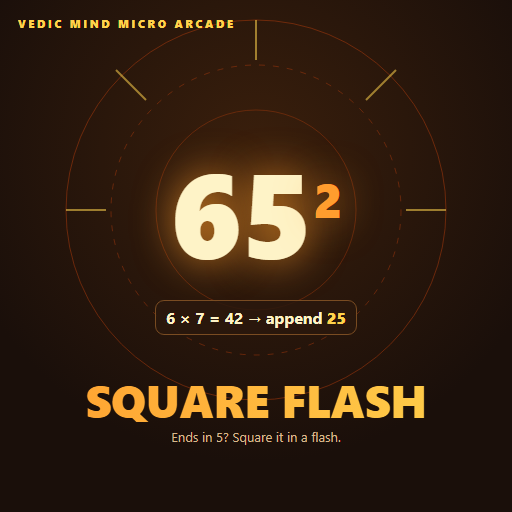 Vedic Mind Micro Arcade
 groups two short playable teaser games into one package. Learners can choose Near-Base Sprint f…
View Details
Play
Free Activity
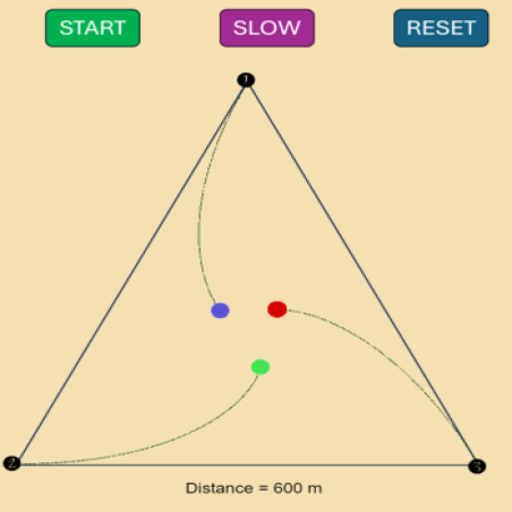 Convergence Chase Simulation
 explores a classic pursuit problem where moving points continuously chase one another. Stu…
View Details
Play
Free Activity
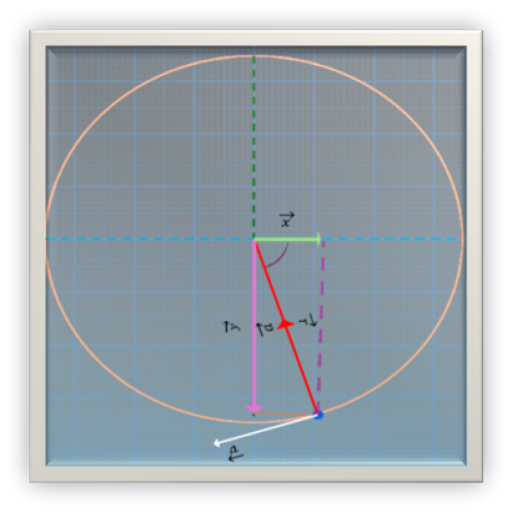 Uniform Circular Motion Simulation
 helps students visualize motion in a circle at constant speed. Learners observe radi…
View Details
Play
Free Activity
 Visual Vector Resolution in 2D
 is an interactive simulation for resolving a vector into rectangular components. Student…
View Details
Play
Free Activity
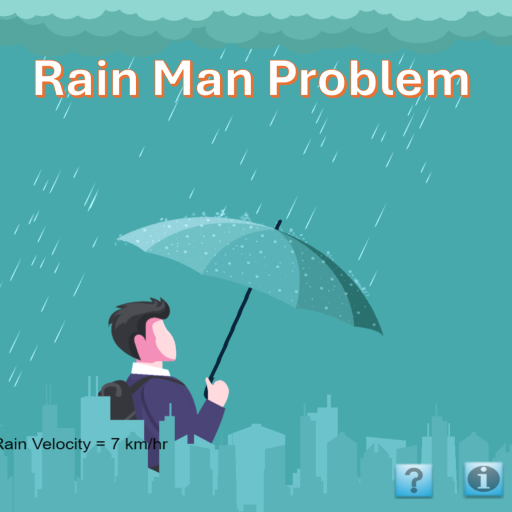 Rain Man Problem: Relative Velocity Simulation
Rain Man Problem is a relative velocity simulation that helps students visualize apparent rain direction and motion bet…
View Details
Play
Free Activity
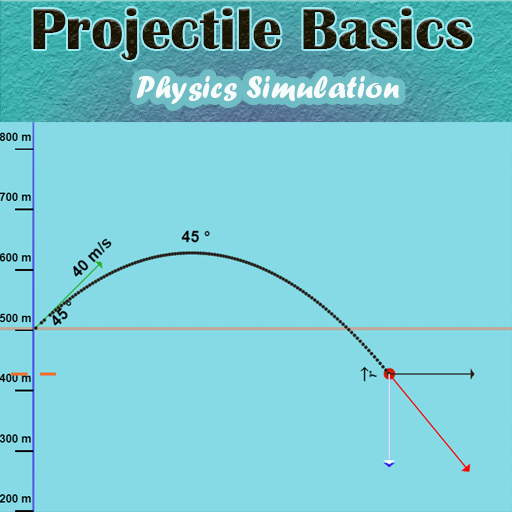 Visual Projectile Motion Simulation
 helps students explore the path of a projectile under gravity. Learners change laun…
View Details
Play







💭 Comments