Learning objectives
- Recognise the difference between a warning symbol and a substance name
- Match the provided pictogram to the corresponding stated hazard
- Explain why safety pictograms should be read alongside specific product instructions
Chemistry — Safety Literacy · Chemical hazard pictogram matching
Learn what a hazard symbol warns about by matching pictured symbols, terms and supplied hazard descriptions.
Landscape activity · use fullscreen on a phone for larger controls
Learning focus: Learn what a hazard symbol warns about by matching pictured symbols, terms and supplied hazard descriptions.
 Photoelectric Effect Simulation
 is a physics learning tool for exploring how light can eject electrons from a material.…
View Details
Play
Free Activity
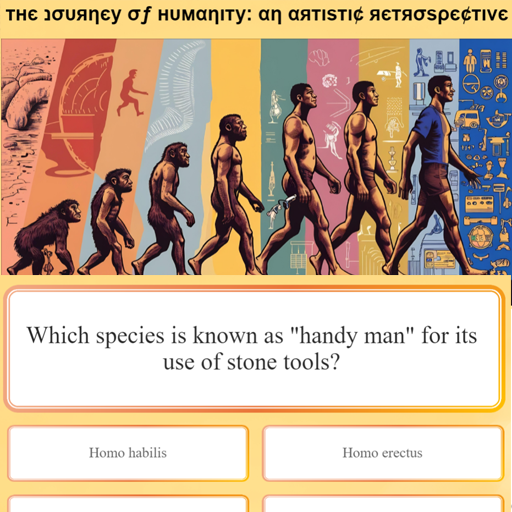 Human Evolution: Visual Learning Journey
 introduces the broad progression of human development through visual stages an…
View Details
Play
Free Activity
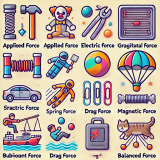
 Understanding Different Types of Forces
 is an interactive physics activity that introduces common forces and real-life …
View Details
Play
Free Activity
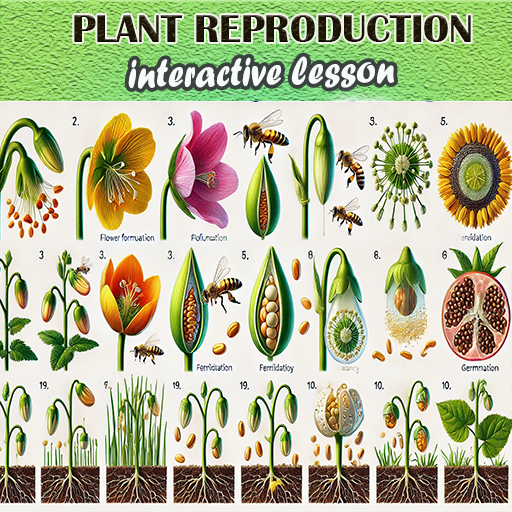 Plant Reproduction with Subtitles
 is a biology activity that explains how plants reproduce through visual narration and…
View Details
Play
Free Activity
 Kepler's Laws of Planetary Motion
 is a visual simulation for studying orbital motion. Students explore elliptical orbit…
View Details
Play
Free Activity
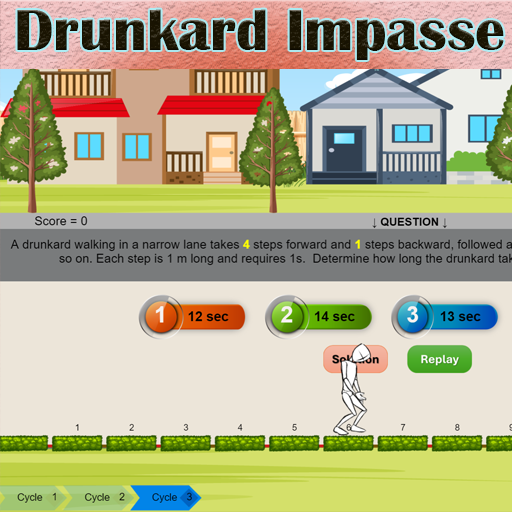 Forward-Backward Walk Logic Puzzle
 is a motion and reasoning activity based on repeated forward and backward steps. Stu…
View Details
Play










💭 Comments