Learning objectives
- Identify the habitat named or pictured in the question
- Explain one organism–environment relationship
- Check uncertain matches against a reliable biology reference rather than memorising without context
Biology — Habitats · Animals, plants and habitats dropdown activity
Use habitat choices to examine how living things are suited to particular environments without claiming each organism occupies only one place.
Portrait activity · keep the device upright for the intended layout
Learning focus: Use habitat choices to examine how living things are suited to particular environments without claiming each organism occupies only one place.
 Card Pattern Demonstration
 is a two-click card activity based on a mathematical pattern. It encourages learners to thin…
View Details
Play
Free Activity
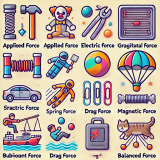
 Understanding Different Types of Forces
 is an interactive physics activity that introduces common forces and real-life …
View Details
Play
Free Activity
 Dynamic Mathematics: Linear Equations
 is a practice activity for hidden-number and equation-based thinking. It helps le…
View Details
Play
Free Activity
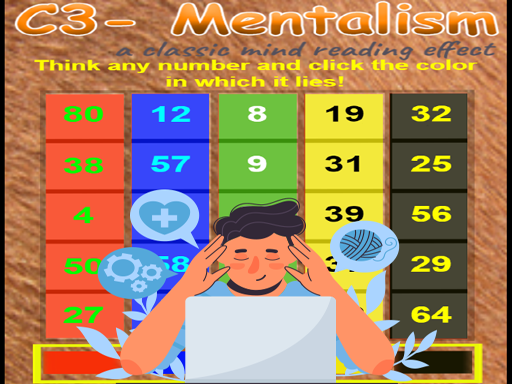 C3 Number Logic
 is a mathematical pattern activity based on a classic number-selection procedure. Students follow color…
View Details
Play
Free Activity
 Hindi Numbers 1 to 100
 helps learners practice number names and number recognition in Hindi. It supports early numeracy…
View Details
Play
★ Premium
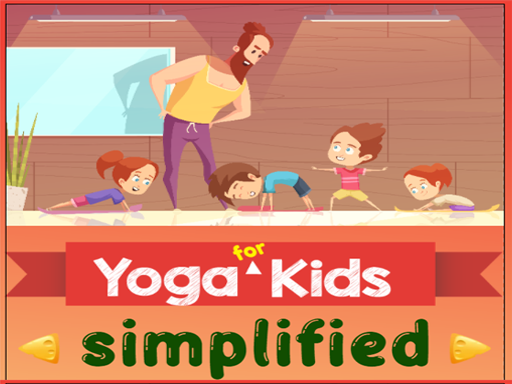 Yoga Cards for Kids
 is a gentle movement-card activity that introduces simple poses with child-friendly prompts. It can…
View Details
Access Info
Free Activity
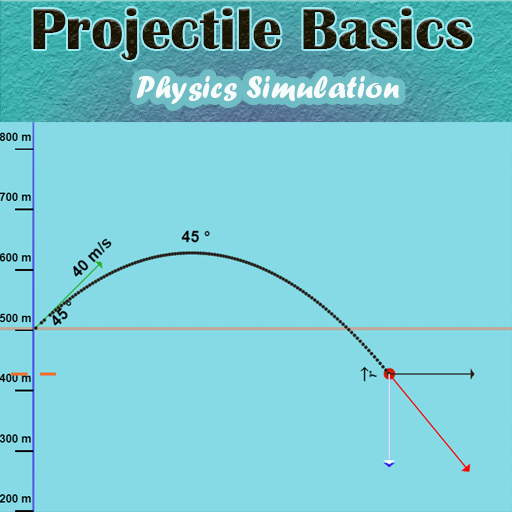 Visual Projectile Motion Simulation
 helps students explore the path of a projectile under gravity. Learners change laun…
View Details
Play
Free Activity
 Matchsticks Puzzle
 is a logic and mathematics challenge where players add, remove, or move sticks to complete equations…
View Details
Play
Free Activity
 Ramanujan Magic Square
 is a recreational mathematics activity inspired by number patterns and magic squares. Students c…
View Details
Play
Free Activity
 The Sequencers
 is a flexible ordering activity that helps learners arrange objects, ideas, or visual items in the corre…
View Details
Play
Free Activity
 Mighty Four Fours Math Challenge
Mighty Four Fours is a classic recreational mathematics challenge where learners use exactly four 4s and operations to …
View Details
Play
Free Activity
 Weighted Average: Frequency Distribution
 is a statistics activity for learning how repeated values and frequencies affe…
View Details
Play






💭 Comments