Learning objectives
- Identify which side of neutral a pH value lies on.
- Recognize that equal pH differences correspond to multiplicative hydrogen-ion activity changes.
Chemistry · Interactive learning companion
Use the position on the pH scale to reason about acidic, neutral and basic solutions.

This activity is part of the Games4Studies Premium Learning Collection.
Premium access unlocks selected advanced simulations, classroom-friendly visual tools, and high-value educational games.
Free users can still explore many open games and sample learning activities.
Landscape activity · use fullscreen on a phone for larger controls
Learning focus: Use the position on the pH scale to reason about acidic, neutral and basic solutions.
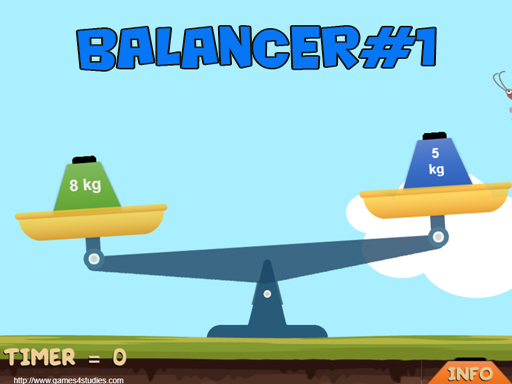 Physics Balancer 1: Mass Balance Simulation
Physics Balancer 1 is a visual mass-balance simulation that helps students understand equality of mass and basic balanc…
View Details
Play
Free Activity
 Pendulum Lab 1: Real-Time Physics Simulation
Pendulum Lab 1 is a real-time simulation for studying pendulum motion. Students can observe oscillation, change variabl…
View Details
Play
Free Activity
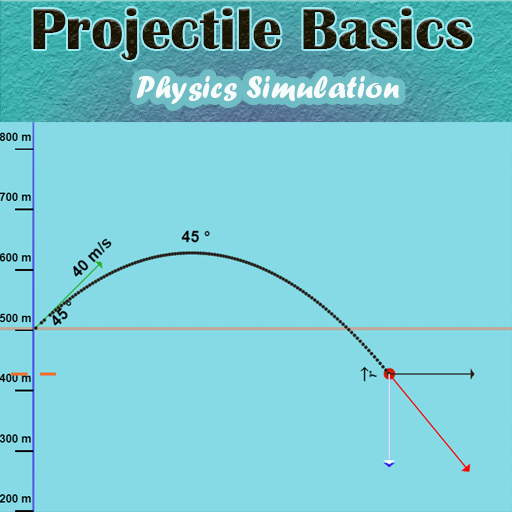 Visual Projectile Motion Simulation
 helps students explore the path of a projectile under gravity. Learners change laun…
View Details
Play
Free Activity
 Heron's Formula Triangle Simulator
 helps students explore triangle area using side lengths. Learners adjust or drag tri…
View Details
Play
Free Activity
 All About Pi
 is a visual learning activity about the constant pi and its role in circles. Students explore the relation…
View Details
Play
Free Activity
 Legion of Numbers
 is an interactive mathematics game designed to make number practice more engaging. Students work with…
View Details
Play







💭 Comments