Learning objectives
- Connect words with the same meaning across three languages
- Recognise that the same idea can be written in different scripts
- Use transliteration as an approximate bridge to pronunciation
Multilingual Vocabulary — English, Hindi and Punjabi · Cross-script vocabulary browser
Compare familiar vocabulary across English, Devanagari and Gurmukhi while treating transliteration as a reading aid rather than a replacement for either script.
Landscape activity · use fullscreen on a phone for larger controls
Learning focus: Compare familiar vocabulary across English, Devanagari and Gurmukhi while treating transliteration as a reading aid rather than a replacement for either script.
 Earth Rotation and Revolution
 is a geography and space-science sorting activity. Students distinguish between Earth spi…
View Details
Play
Free Activity
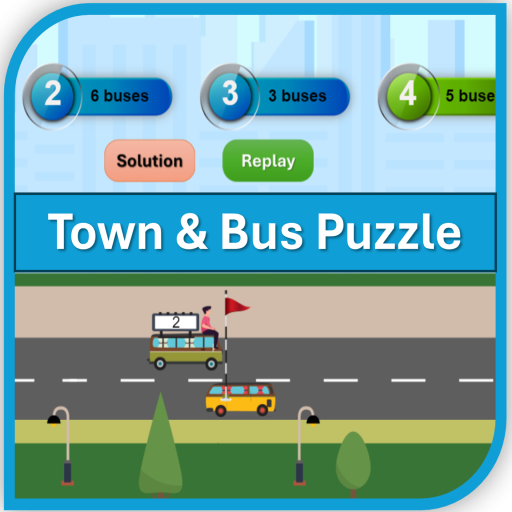 Town and Bus Puzzle Simulation
 is a math and physics reasoning activity about periodic motion and meeting patterns. Stu…
View Details
Play
Free Activity
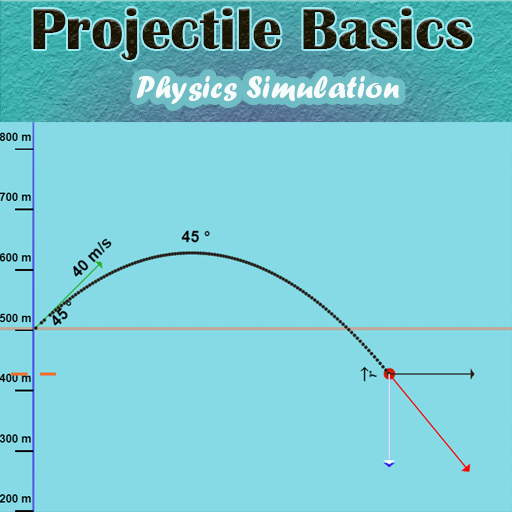 Visual Projectile Motion Simulation
 helps students explore the path of a projectile under gravity. Learners change laun…
View Details
Play
Free Activity
 Atom Builder
 is an interactive science activity where students explore atomic structure by combining protons, neutrons,…
View Details
Play
Free Activity
 Yes/No Communication Practice
 is a visual prompt activity for learners who are practising simple yes and no responses. …
View Details
Play
Free Activity
 Math-Order Numbering
 helps learners compare, order, and understand numbers through interactive practice. It supports nu…
View Details
Play
Free Activity
 Pendulum Lab 1: Real-Time Physics Simulation
Pendulum Lab 1 is a real-time simulation for studying pendulum motion. Students can observe oscillation, change variabl…
View Details
Play
Free Activity
 Logic Game: Alphabets
 is an English letter-order activity for young learners. Students fill in missing letters in the c…
View Details
Play
Free Activity
 CVC Words: Circle That Word
 is a phonics and spelling quiz for learners practising short vowel sounds and simple word r…
View Details
Play
Free Activity
 Touch Letters
 is a Punjabi alphabet practice game for early learners. Students identify the displayed letter and tap th…
View Details
Play
Free Activity
 Angle of Repose Simulation
 helps students study the angle at which an object begins to slide on a rough inclined plane.…
View Details
Play
Free Activity
 Collective Nouns: Real-World Examples
 helps students learn group nouns through illustrated examples. It supports vocabu…
View Details
Play






💭 Comments