Learning objectives
- Identify an element by its proton count.
- Distinguish isotopes from ions using particle counts.
- Calculate simple mass numbers and net ionic charges.
Chemistry and Atomic Structure · Interactive atom-and-ion builder
Change particle counts to investigate how protons, neutrons and electrons determine element identity, mass number and charge.
Landscape activity · use fullscreen on a phone for larger controls
Learning focus: Change particle counts to investigate how protons, neutrons and electrons determine element identity, mass number and charge.
Model limit
The number of protons determines an element's identity; changing neutrons changes its isotope, and changing electrons changes its charge. The game's nuclear-stability and binding-energy indicators are educational model outputs and should not be interpreted as authoritative experimental predictions for every isotope.
Reference: OpenStax Chemistry 2e — Atomic Structure and Symbolism
 Sports Tournaments
 is a Physical Education quiz activity focused on tournament formats, competition structure, and spor…
View Details
Play
Free Activity
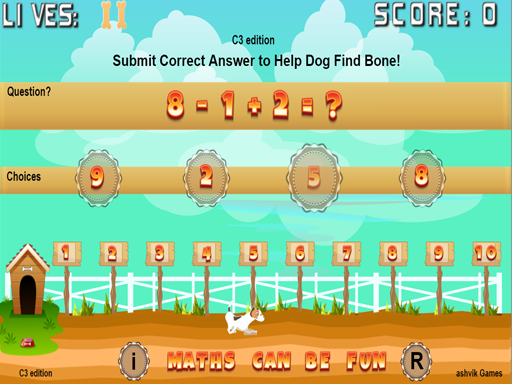 Kids Math Fun
 is an early arithmetic activity that helps young learners practice simple calculations in a playful setti…
View Details
Play
Free Activity
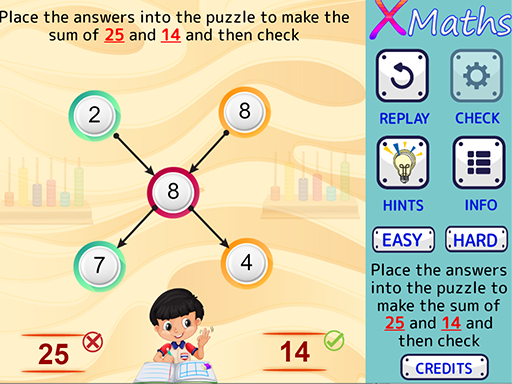 X-MATHS
 is an addition puzzle game where learners place answers to complete diagonal sums. It supports arithmetic fluen…
View Details
Play
Free Activity
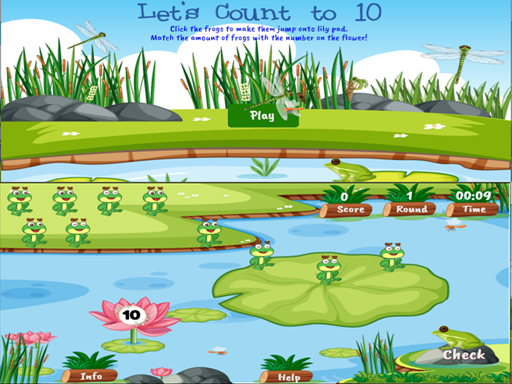 Frog Croaking 1-10 Counting
 is a playful counting activity for early learners. Children match frogs to numbers, reinfor…
View Details
Play
Free Activity
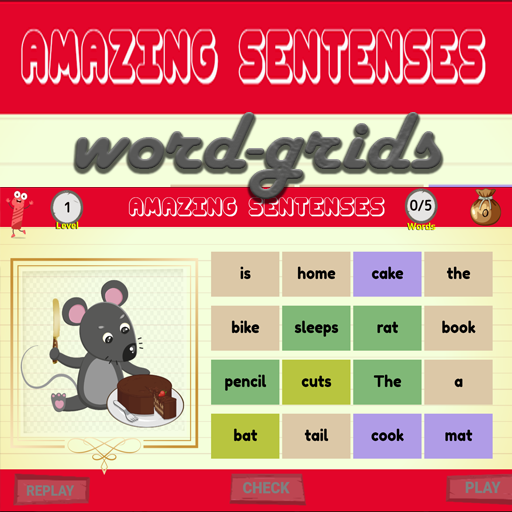 Amazing Sentences for Kids
 is a sentence-building activity that helps learners arrange words into meaningful sentences.…
View Details
Play
Free Activity
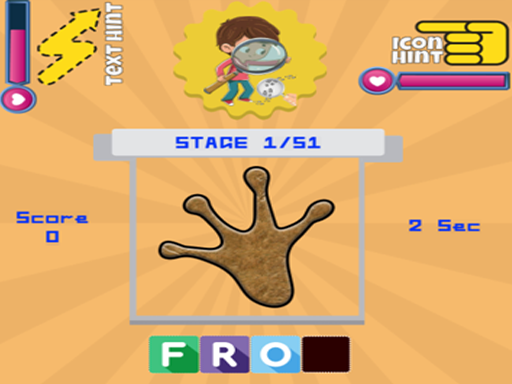 Paw Track: Known by What We Leave
Paw Track is an animal footprint recognition activity. Students observe paw prints, compare them with animals, and iden…
View Details
Play
Free Activity
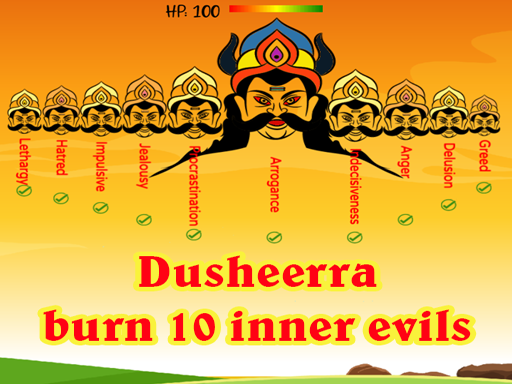 Dussehra Values Challenge
 is a light cultural arcade activity inspired by the idea of choosing positive values over neg…
View Details
Play
Free Activity
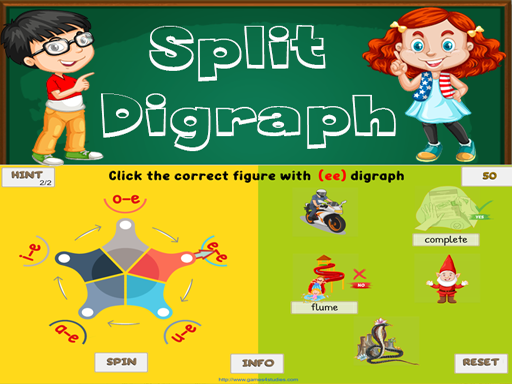 Split Digraphs Advanced Hunt
 helps learners practise split digraph sounds through a word-hunting challenge. It supports…
View Details
Play
Free Activity
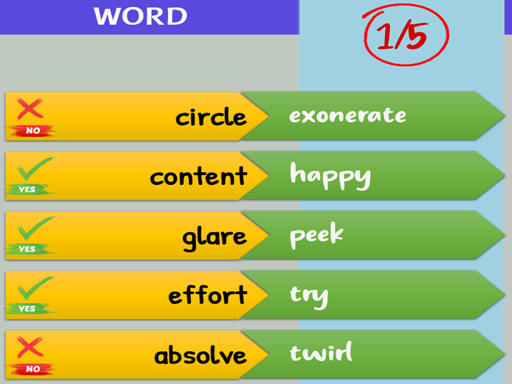 Synonyms Drag-and-Drop Activity
 helps students practice English vocabulary by matching words with similar meanings. Lea…
View Details
Play
Free Activity
 Santa Rescue
 is a pull-the-pin puzzle game that challenges players to plan moves in the correct order. The activity bui…
View Details
Play
Free Activity
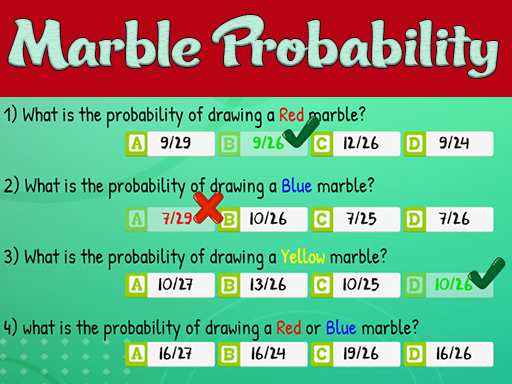 Marbles Probability
 is a visual probability game based on marbles and outcome prediction. It helps learners practice li…
View Details
Play
Free Activity
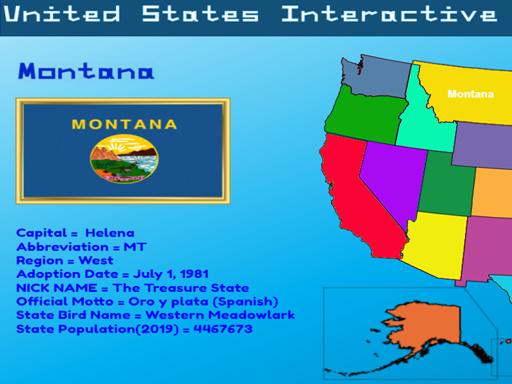 US Interactive Map
 is a geography learning activity that lets students explore states and related information through h…
View Details
Play





💭 Comments