Learning objectives
- Identify unit, tens and higher-place columns
- Convert a depicted bead distribution to a numeral
- Check a number by decomposing it into place-value contributions
Mathematics — Place Value · Vertical abacus representation and quiz
Interpret a vertical abacus by reading its columns according to powers of ten, then practise composing numbers.
Landscape activity · use fullscreen on a phone for larger controls
Learning focus: Interpret a vertical abacus by reading its columns according to powers of ten, then practise composing numbers.
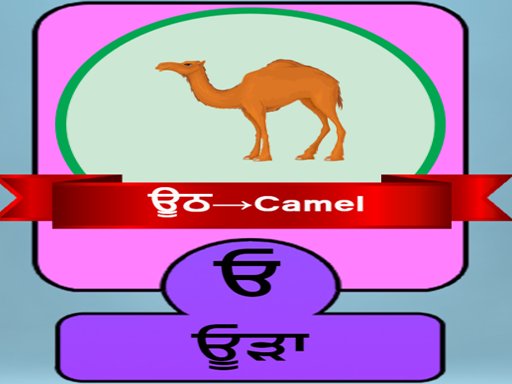 Punjabi Alphabet: Vowels and Consonants
 is a beginner-friendly activity for recognizing Punjabi letters and letter grou…
View Details
Play
Free Activity
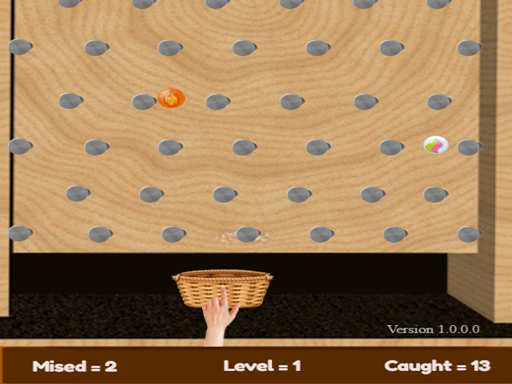 Wall Pin Board
 is a simple timing and coordination game where players aim to score points by interacting with moving bo…
View Details
Play
Free Activity
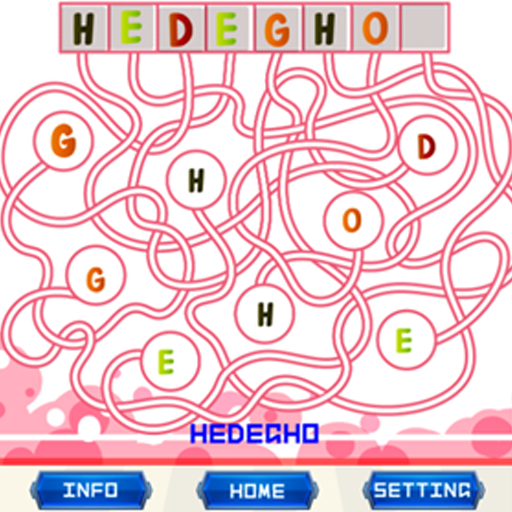 Puzzlaze Spelling Maze
 combines word puzzles with maze-style discovery. Learners solve spelling challenges while explor…
View Details
Play
Free Activity
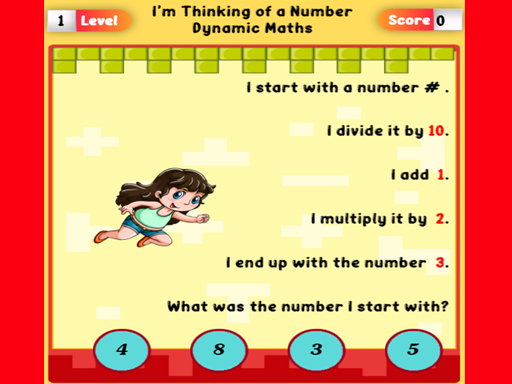 Dynamic Mathematics: Number Trails
 is a reasoning activity based on number operations and hidden values. It helps stude…
View Details
Play
Free Activity
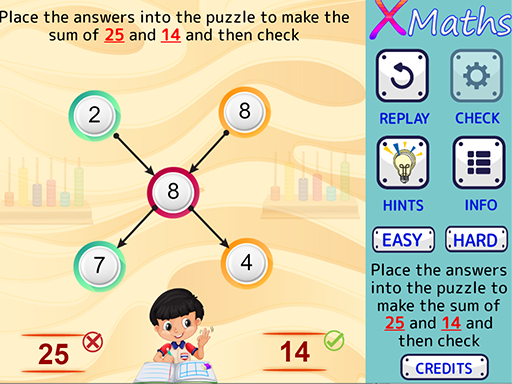 X-MATHS
 is an addition puzzle game where learners place answers to complete diagonal sums. It supports arithmetic fluen…
View Details
Play
Free Activity
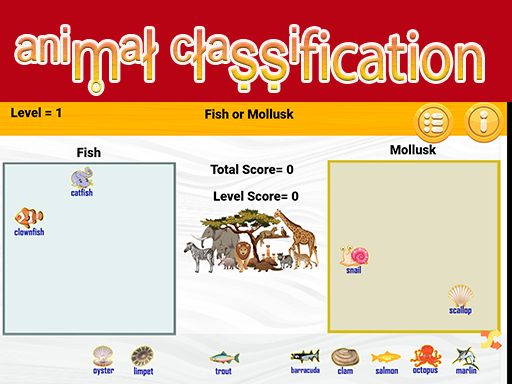 Animal Classification
 helps learners sort animals into meaningful biological groups. It supports classification skills,…
View Details
Play
★ Premium
 pH Food Spectrum Activity
 helps learners explore approximate pH values of common foods. It is designed for chemistry an…
View Details
Access Info
Free Activity
 Happy Dhanteras
 is a festive collection activity designed for light seasonal engagement. Players collect falling coins …
View Details
Play
Free Activity
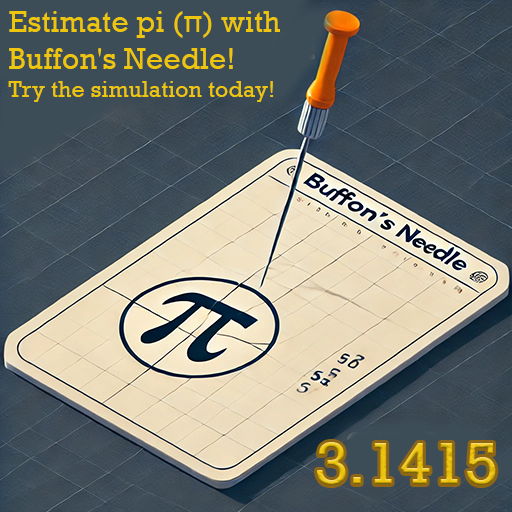 Buffon's Needle Probability Lab
 is a geometry and probability activity based on the classic needle-dropping experiment.…
View Details
Play
Free Activity
 The Sequencers
 is a flexible ordering activity that helps learners arrange objects, ideas, or visual items in the corre…
View Details
Play
Free Activity
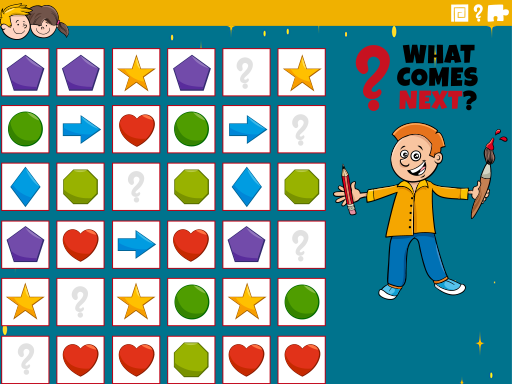 What Comes Next?
 is a pattern-recognition game that helps learners identify visual sequences and predict the next item.…
View Details
Play
Free Activity
 Trivia Quiz Time
 is a general knowledge quiz activity covering facts from science, geography, movies, and everyday awar…
View Details
Play






💭 Comments