Learning objectives
- Identify the material category suggested by a visible object
- Compare paper, glass, plastic, metal, e-waste and organic waste labels
- Explain when a composite or contaminated object requires more investigation
Environmental Science — Waste Sorting · Material classification and recycling activity
Sort visible objects into the named game bins and discuss why real local recycling rules may differ.
Landscape activity · use fullscreen on a phone for larger controls
Learning focus: Sort visible objects into the named game bins and discuss why real local recycling rules may differ.
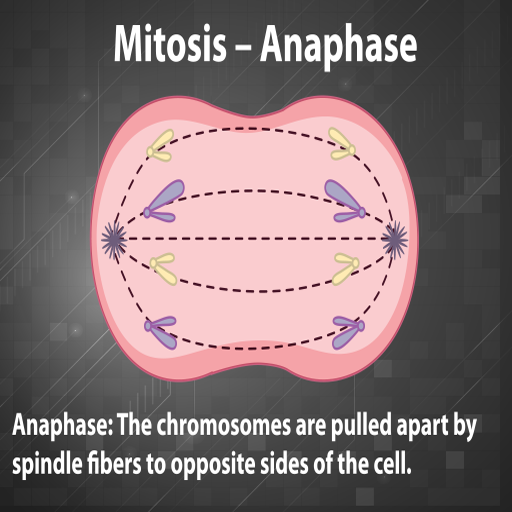 Process of Mitosis Simulation
 is a biology learning activity that visually explains the stages of cell division. Studen…
View Details
Play
Free Activity
 Angle-Snipper
 is an interactive mathematics game that helps learners recognize angles, compare directions, and build vi…
View Details
Play
Free Activity
 Horizontal Abacus
 is a hands-on mathematics activity for exploring numbers using draggable beads. It helps early learne…
View Details
Play
Free Activity
 Synonyms Drag-and-Drop Activity
 helps students practice English vocabulary by matching words with similar meanings. Lea…
View Details
Play
Free Activity
 Centre of Mass Simulation: Man and Plank
 helps students understand centre of mass in a frictionless system. Learners ob…
View Details
Play
Free Activity
 Yes/No Communication Practice
 is a visual prompt activity for learners who are practising simple yes and no responses. …
View Details
Play
★ Premium
 Revelation Card Logic Puzzle
 is a card-based pattern activity that demonstrates how arrangement, observation, and proce…
View Details
Access Info
Free Activity
 Hare and Tortoise: Number Sequencing
 is an early mathematics activity inspired by a familiar story theme. Children arra…
View Details
Play
Free Activity
 Animal Idol: A Biology Game
Animal Idol is a biology quiz game that helps learners review animal and plant kingdom concepts. It supports science vo…
View Details
Play
Free Activity
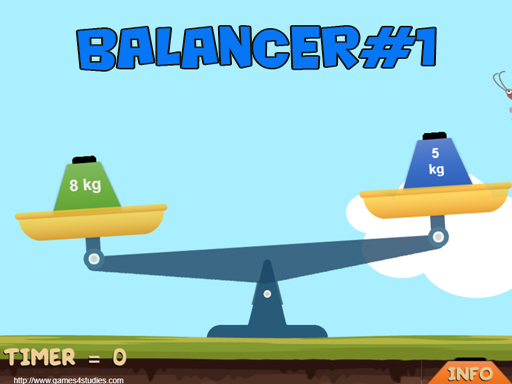 Physics Balancer 1: Mass Balance Simulation
Physics Balancer 1 is a visual mass-balance simulation that helps students understand equality of mass and basic balanc…
View Details
Play
Free Activity
 Weighted Average: Frequency Distribution
 is a statistics activity for learning how repeated values and frequencies affe…
View Details
Play
Free Activity
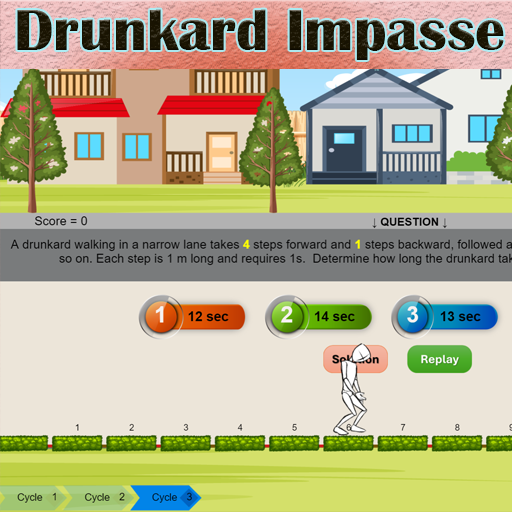 Forward-Backward Walk Logic Puzzle
 is a motion and reasoning activity based on repeated forward and backward steps. Stu…
View Details
Play






💭 Comments